What are emission reduction units (EREs)?

Sten · Expansion Lead
Drive electric instead of on petrol or diesel, and you avoid CO₂ — a saving you can convert into tradable EREs. What an ERE is, who qualifies, and how its value comes about.
Contents
Drive electric instead of on petrol or diesel, and you avoid CO₂. That saving can be converted into an ERE: an emission reduction unit, the unit the Netherlands has used to steer CO₂ reduction in transport since 1 January 2026. One ERE represents 1 kilogram of avoided CO₂-equivalent (CO₂eq) across the chain, measured against an EU-set fossil reference value. On that date, EREs replaced the older HBE system and fall under the Dutch Emissions Authority's (NEa) fuel transition obligation (BTV).
In the market, EREs are often called ERE credits or certificates. That is not the official term: an ERE is not a document, but a unit held in an account in the Register of Energy for Transport (REV). Read more about that definition in what an ERE exactly is.
How does an ERE come into being?
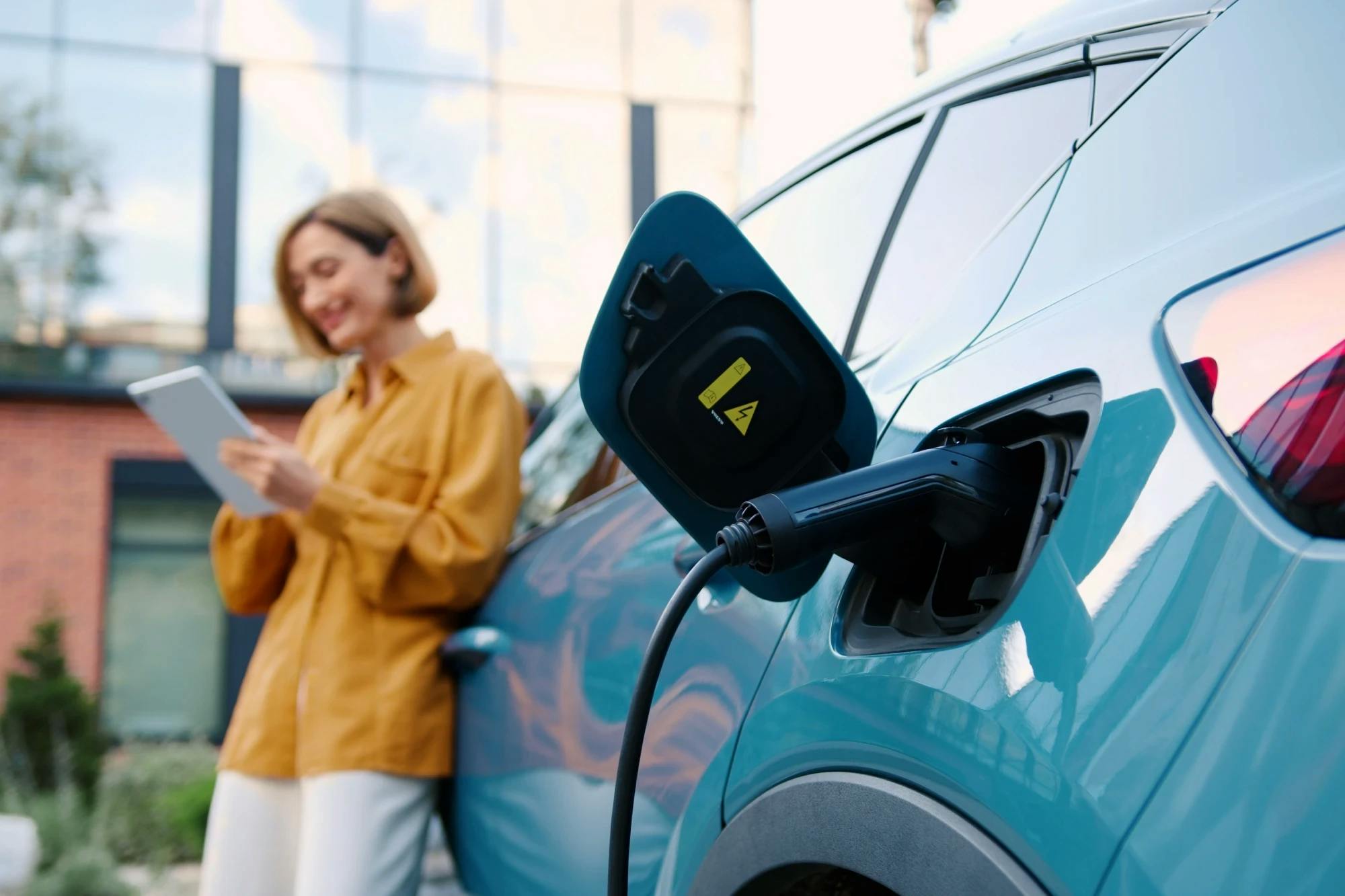
An ERE only comes into being after registration, not simply by charging. If you deliver renewable energy to transport — for example because an electric car charges at your charge point — that delivery can be registered with the NEa. Without correct, verifiable registration, no ERE is created, even if the charging session itself went perfectly.
Why does an ERE have value?
An ERE has value because fuel suppliers need them. Under the BTV they must make a growing share of their fuel more sustainable each year — 14.4% in 2026, rising to 28.4% in 2030 — and prove it with EREs in their account. That statutory demand is what gives an ERE its value. What that means in euros is not yet fixed: the REV is still closed and no trading has begun, so any price circulating today is an assumption, not a market quote.
When do you qualify?
Three things decide it: the energy is demonstrably renewable, the charging session is correctly metered (usually with an MID-certified meter inside the charge point), and the registration meets the NEa's requirements. Charging on ordinary grid power? For 2026, 50.5% of that counts as renewable — the Dutch share of green power from two years earlier, set by Statistics Netherlands (CBS).
Your charge point qualifies if it is in the Netherlands, has a MID meter, and you have no other emission credit service provider yet this calendar year. Register your charger, or first work it out with the ERE calculator.
What does this mean for charge point owners?
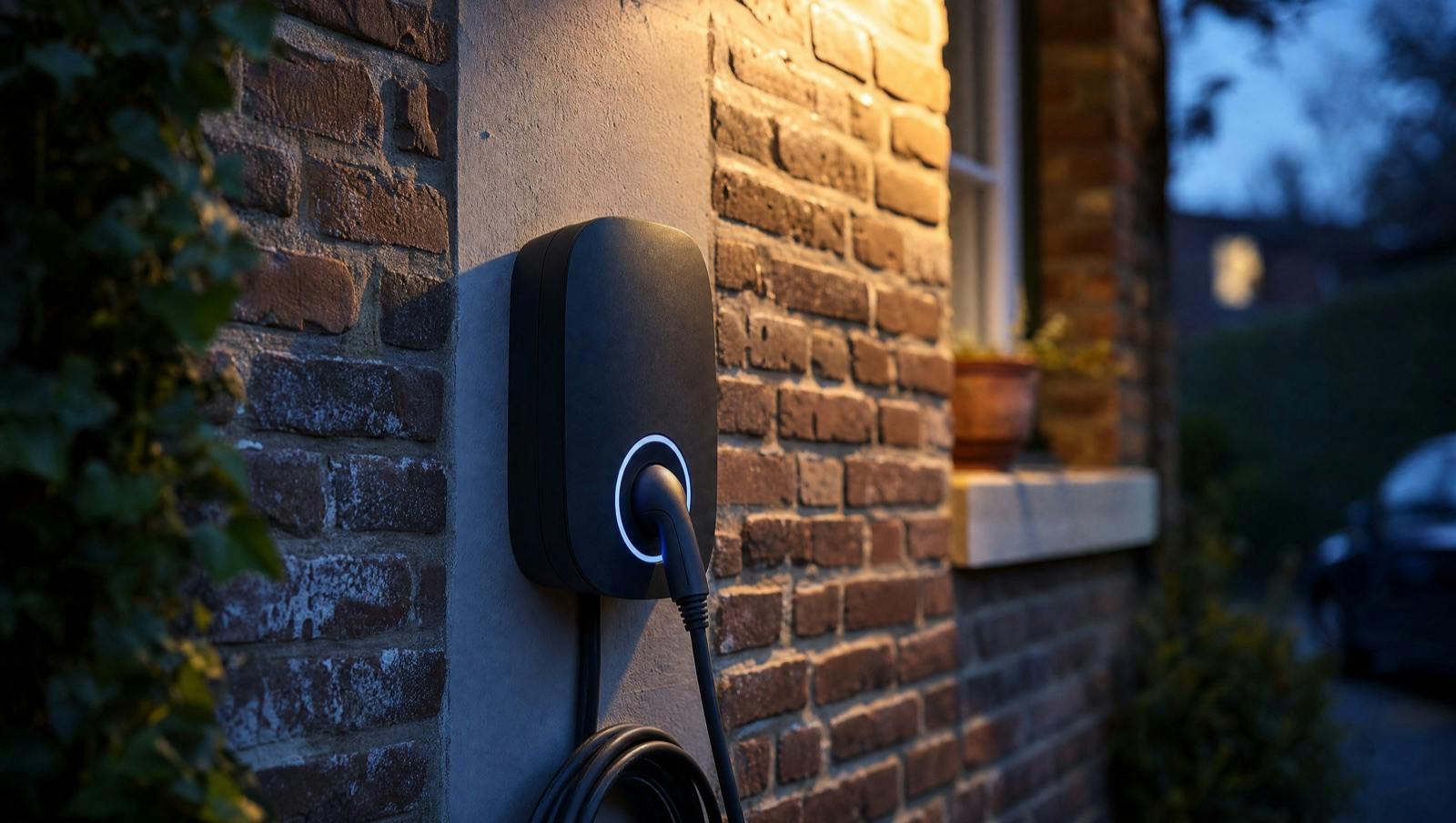
If you own a charge point, every valid charging session can potentially earn EREs — with no extra hardware. Below 2 million kWh a year that runs through an ERE service provider; the full overview of types, rules and figures is in what ERE credits are.
What Voltico does for you here
Voltico handles registration with the NEa: pulling your charging data, validating it, registering it and paying out the result. You don't need to keep your own records to qualify. Is your charge point in the Netherlands, does it have a MID meter, and do you have no other emission credit service provider yet this calendar year? Then you can register it straight away.