How do ERE credits work for EV charging?

Sten · Expansion Lead
Not every charging session generates ERE credits. Learn what it takes to turn renewable EV charging into verified revenue and why data quality is what decides it.
Contents
Charge your car with renewable electricity, and that alone is not yet an ERE. Only once that charging session is registered — with the right data, at the right party — does an emission reduction unit (ERE) exist. The difference between a session that earns money and one that earns nothing almost always comes down to the data, not the market.
From charging session to ERE
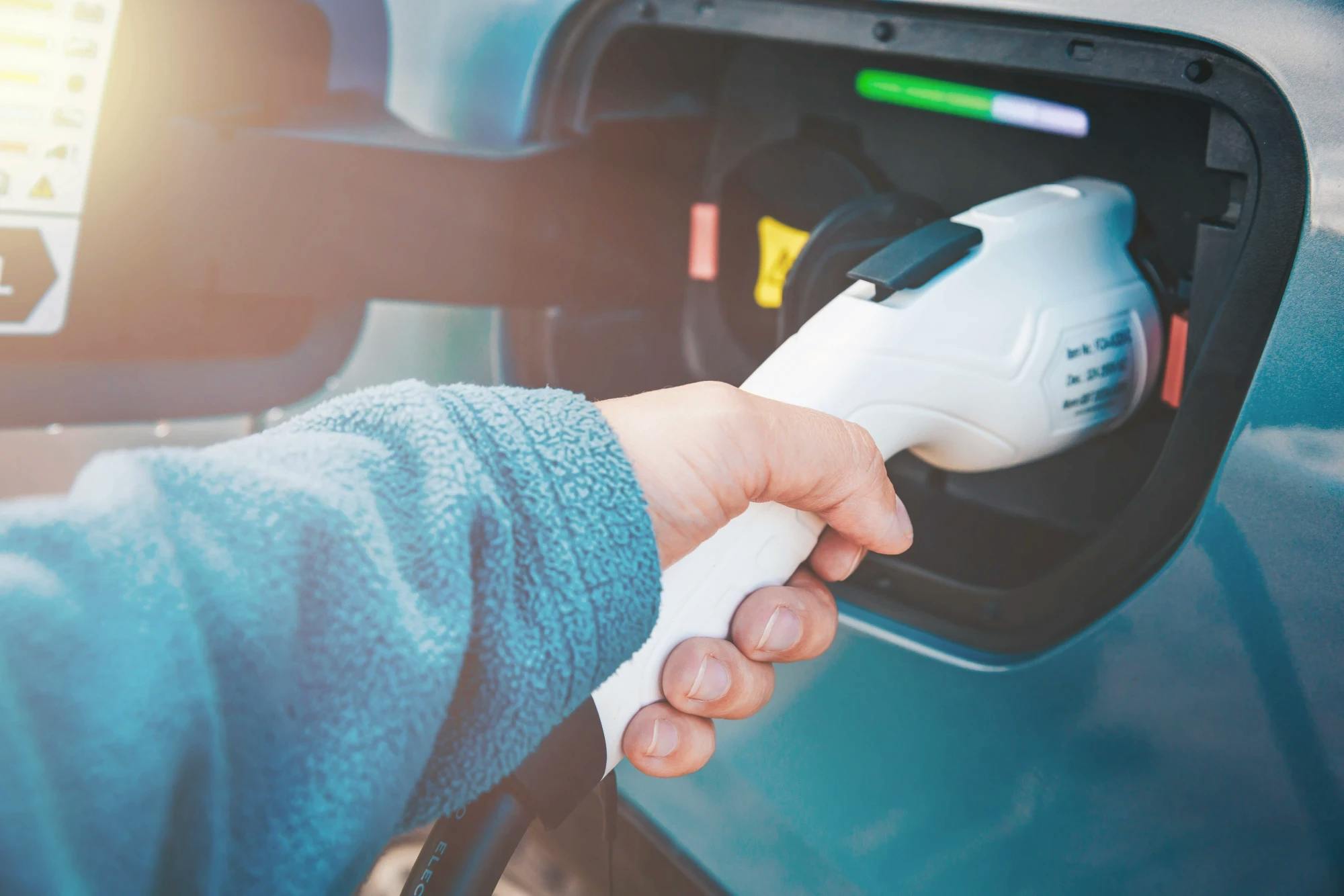
Take a simple example: a charge point delivers 10 kWh to an electric car. That 10 kWh is first recorded, with its origin (grid power or own generation) and timestamp. Next, the avoided CO₂-equivalent is calculated against the EU-set fossil reference value of 183 g CO₂eq/MJ. That reduction — not the kWh itself — is the basis for the ERE. That is the biggest difference from the old HBE system, where energy content counted rather than the CO₂ gain.
What does that require?
Three things have to hold up, or a session will not pass the annual verification:
- Reliable charging data. Straight from the charge point or charging management system, not a standalone spreadsheet or a photo of a meter reading.
- A demonstrably renewable source. Grid power counts at the grid average (50.5% in 2026); own generation can count for 100% under conditions.
- Traceable registration. The NEa does not test session by session, but at portfolio level: the verifier applies a materiality threshold of 2% of the total registered CO₂ reduction per energy type. If a service provider exceeds that, the registrations get a rejected status in the register — the NEa then investigates the consequences case by case, so it is not an automatic zero.
Why does data fail more often than the market?
Most failed registrations are not down to too little demand for EREs. They happen because the source of the electricity or the CO₂ justification cannot be traced: standalone files, manual entry, systems that are not connected. Want to know how to prevent that? Read ERE compliance and verification.
What does this mean for your earnings?
Only sessions that pass verification represent value — the number of sessions on its own says little. Work through your own situation with what a charge point earns in EREs or the ERE calculator.
What Voltico does for you here
Voltico pulls your charging data straight from the charge point or charging management system and validates it before registration, so you don't have to chase down loose files yourself. Work out what a correctly registered session earns with the ERE calculator.