6 changes in 2026 for companies with charging infrastructure

Sten · Expansion Lead
Discover the 6 key regulatory and subsidy changes in 2026 for companies with charging infrastructure, including SDE++, EPBD rules, EREs, and SPRILA.
Contents
- SDE++ subsidy
- New charging point requirements for parking facilities
- Emission credit booking service provider required below 2 million kWh
- SPRILA expected to become simpler, broader, and more scalable
- Green electricity mix for ERE calculation
- Claiming credits for charging electric machinery
- What Voltico does for you here
2026 brings several important changes for companies operating in mobility, energy, and charging infrastructure. Here are the key points companies with EV chargers should be aware of.
SDE++ subsidy
The SDE++ subsidy supports companies that generate renewable energy at scale or reduce CO₂ emissions. It is expected to reopen in Q3 2026.
Tip: As of this year, SDE++ can no longer be combined with 100% EREs. Companies with on-site generation and charging infrastructure should assess which option delivers the highest financial return.
New charging point requirements for parking facilities
As of 29 May 2026, stricter EPBD rules apply to buildings with parking spaces, in cases of new construction or major renovation.
Non-residential buildings with more than 5 parking spaces must install at least 1 charging point per 5 spaces
Office buildings face a stricter rule of 1 charging point per 2 spaces
For existing buildings, from 2027 onward, at least 1 charging point per 10 parking spaces is required, plus preparations for the remaining spaces.
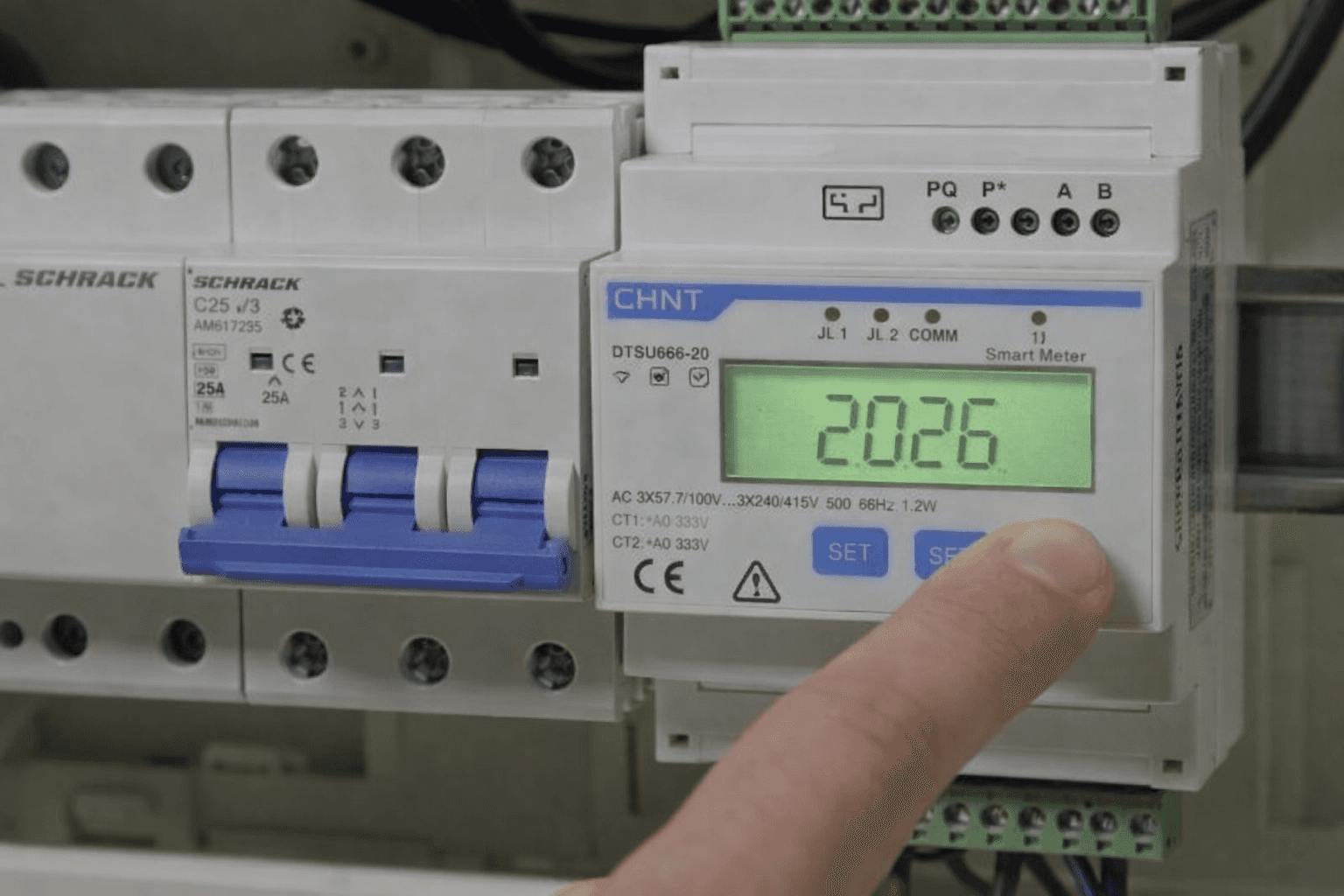
Tip: Use certified meters and ensure reliable, frequent data collection to ensure eligibility for claiming ERE emission credits.
Emission credit booking service provider required below 2 million kWh
Companies that want to book less than 2 million kWh of electricity for transport per year are required to use an emission credit service provider (inboekdienstverlener). Providers such as Voltico take care of the entire administration, verification, and trading process.
Tip: Choose a reliable booking service provider. Annual verification requires all bookings to remain within a 2% error margin.
SPRILA expected to become simpler, broader, and more scalable
The subsidy scheme for private charging infrastructure (SPRILA) is expected to be expanded and simplified in 2026. With a consolidated budget and adjusted conditions, companies will have more room to invest in on-site charging infrastructure.
SPRILA remains a strong incentive for investments in charging infrastructure and battery storage. Preparation and timing remain decisive.
Tip: From 20 January 2026, you can apply for SPRILA subsidy again. Prepare early and submit on time to make full use of the scheme.
Green electricity mix for ERE calculation
For 2026, an indicative renewable electricity mix of 50.4% will be used. This percentage directly affects the ERE calculation. By comparison, simultaneous charging and on-site generation can still result in a 100% factor.
Tip: When forecasting future revenues, account for a likely further increase in this percentage for future ERE income.
Claiming credits for charging electric machinery
From 2026 onward, electricity supplied to electric (construction) machines can also be eligible for EREs. This unlocks new business cases for electrification.
What Voltico does for you here
Voltico tracks these changes for you and adjusts your registration to the new rules automatically, so you don't have to follow the regulations yourself every year. Curious what this means for your organisation? Use our calculation tool or get in touch.