Knowledge hub
What are emission reduction units (EREs)?

EREs (Emission Reduction Units) are tradeable certificates that verify renewable energy has been delivered to the transportation sector, contributing to CO₂ emission reductions in transport. One ERE represents one kilogram of avoided CO₂. EREs are the units through which the Netherlands steers CO₂ reduction in transport from 2026 onwards. They replace the previous HBEs and fall under the fuel transition obligation enforced by the NEa.
How are ERE’s generated?
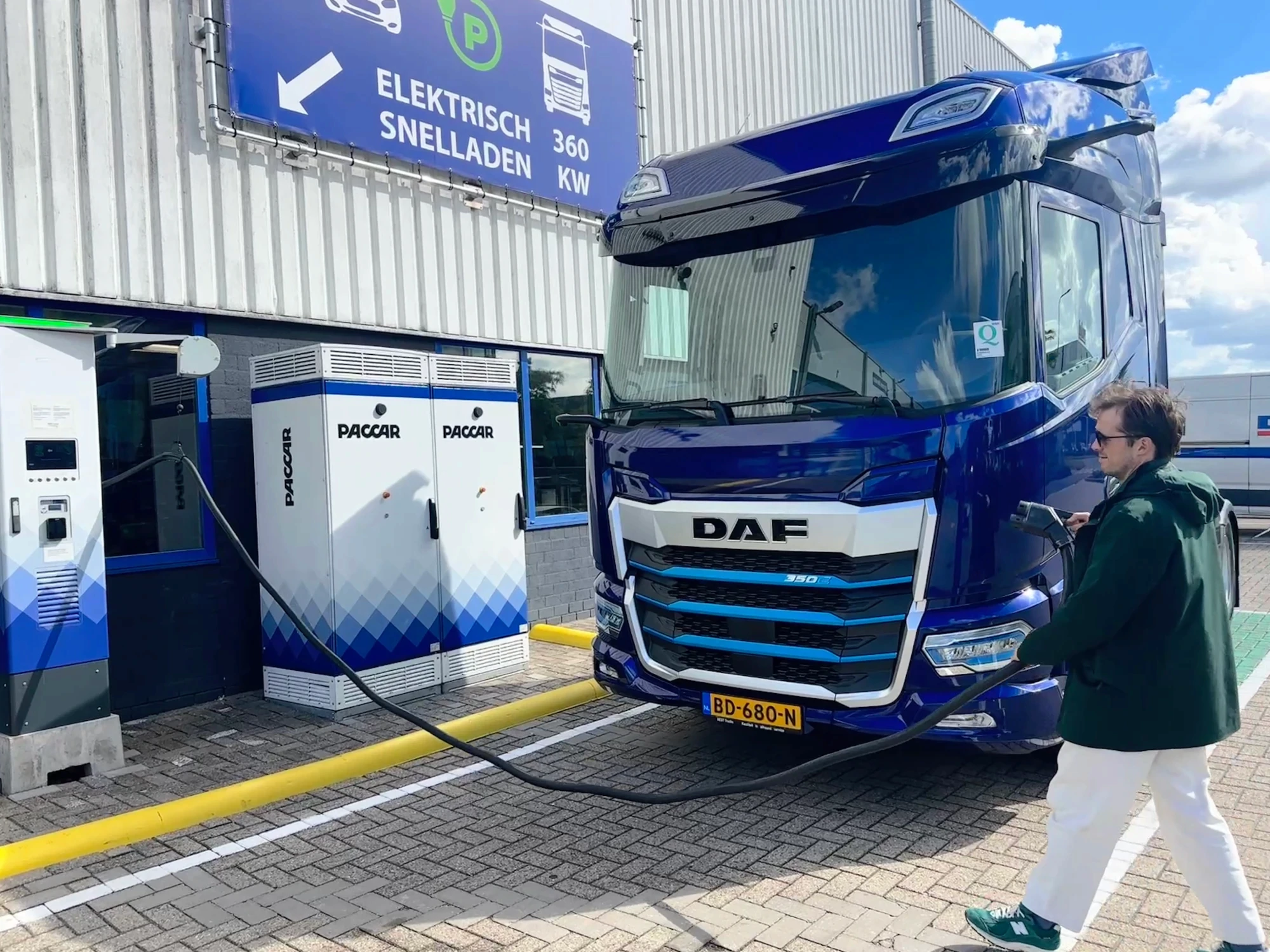
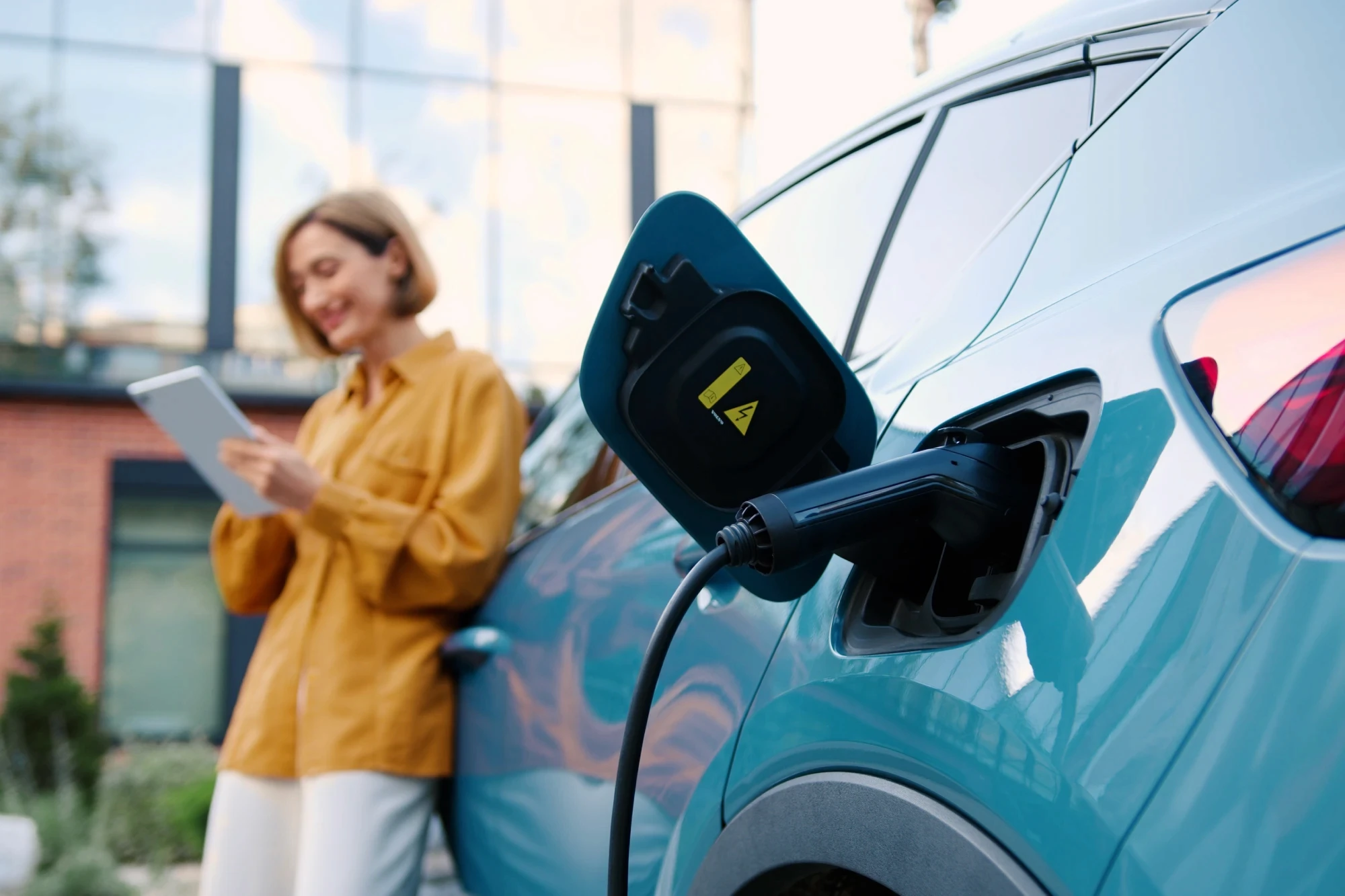
EREs are generated when a company delivers renewable energy to the transportation sector and reports that delivery to the NEa. For EV charging, this means that a charging session powered by renewable electricity can result in EREs, provided the energy delivered and the associated CO₂ reduction are accurately registered. Without verifiable registration, no credit is issued.
Why do ERE certificates have value?
ERE certificates have value because fuel suppliers are legally required to meet annual transition obligations. Fuel suppliers that fall short of delivering sufficient sustainable fuels must purchase ERE credits from parties that have achieved reductions. This demand creates a market price. That price fluctuates, meaning the value is real but not guaranteed. Read more about the price of emission reduction credits (EREs).
When do you qualify?
Renewable energy source
Correctly registered charging sessions
Full compliance with NEa requirements
You qualify when the energy delivered is renewable, the delivery demonstrably reduces CO₂ emissions, and the registration meets NEa standards. Electricity delivered via the grid is established at 50.5% sustainable in 2026. Credits may be reported by the owner of the grid connection. The exact conditions are set out in the Energy for Transport regulation.
You can use our quickscan and answer 5 questions to see if your setup qualifies.
What does this mean for charging station owners?
For charging station owners, every charging session can represent a credit, provided the data is accurate and meets all requirements. This turns EV charging into a potential additional revenue stream alongside normal operations, with no additional hardware investment required. You can use our ERE-calculator to estimate your potential income.
Key takeaway
ERE credits turn renewable EV charging into a potential revenue stream, based on avoided CO₂ emissions, provided registration meets NEa requirements.