Knowledge hub
Common mistakes with ERE credits

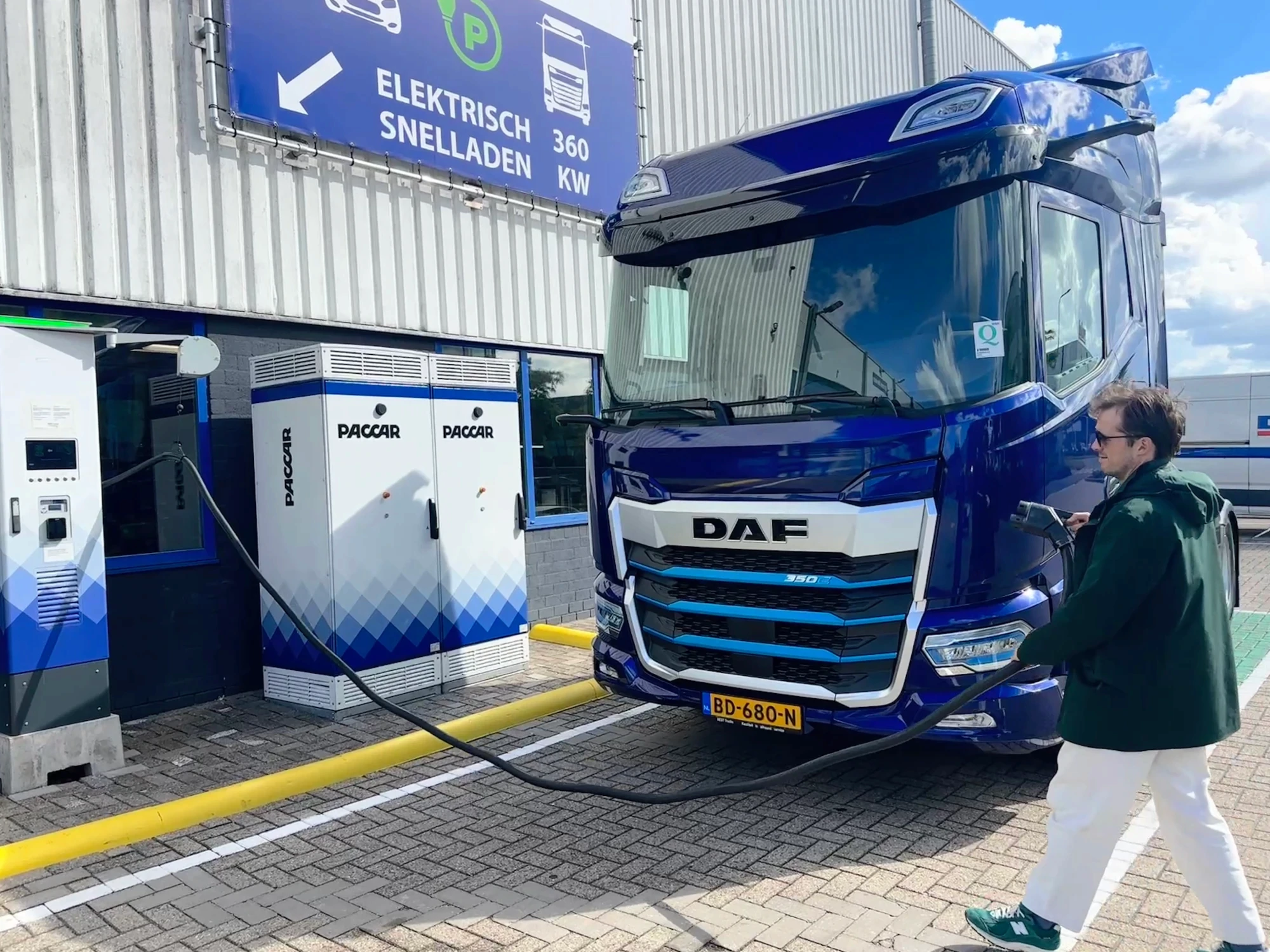
The four most common mistakes with emission reduction units (EREs) are unreliable data, lack of compliance knowledge, an unclear revenue structure, and underestimating the complexity of the process. The largest losses in ERE credit programs rarely stem from market conditions. They stem from errors in registration and compliance, often without the organization even realizing it.
Mistake 1: unreliable data
Standalone files, manual data entry, and disconnected systems produce data that makes the CO₂ reduction untraceable. That data will be rejected at verification, regardless of how accurate the charging sessions themselves were.
Mistake 2: no compliance knowledge
Without a thorough understanding of the requirements set out in the Renewable Energy for Transport regulation, submissions are filed that simply do not qualify. The result is rejection after the fact, at a point when correction is often no longer possible.
Mistake 3: unclear revenue structure
If you don't know what CO₂ reduction a session generates or when payouts occur, you cannot manage or verify your return. A lack of clarity turns a potential revenue stream into a black box.
Mistake 4: underestimating complexity
The process may appear straightforward, but it is heavily regulated and currently in transition from the HBE to the ERE framework. Underestimating this complexity means missing requirements that determine whether a submission is valid or rejected.
How do you avoid these mistakes?
These mistakes are preventable. Working with reliable, automated registration and maintaining clear insight into both compliance requirements and revenue structure puts you in control of your outcomes.
Key takeaway
The largest losses don't come from the market, they come from errors in data and process.