Knowledge hub
How do ERE credits work for EV charging?

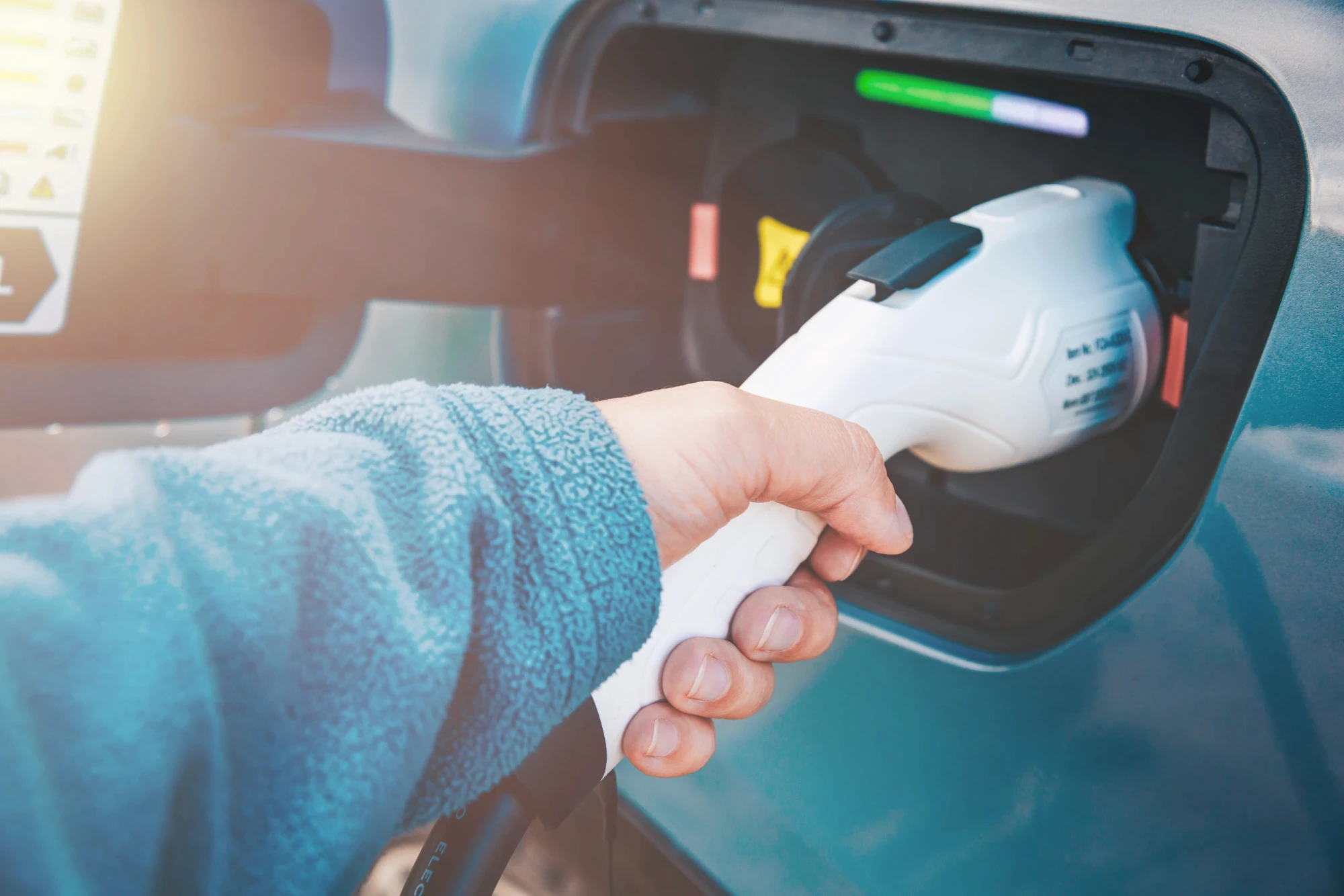
Emission Reduction Units (EREs) are credits that are generated through EV charging when a session powered by renewable electricity is reported to the NEa and the avoided CO₂ is accurately and verifiably documented. The charging session itself is not enough, the underlying data determines whether a credit is issued or not. This falls under the Dutch fuel transition obligation.
From charging session to credit
Each charging session is first recorded in terms of energy delivered (kWh) and the source of that electricity. Based on this data, the avoided CO₂ is calculated and that reduction forms the basis for the ERE credit. Unlike the previous HBE system, what counts is not the energy content itself, but the CO₂ savings achieved.
What do you need?
Reliable charging data
Accurate registration
Verified renewable energy source
Three factors are decisive: reliable data from the charging point, a verifiably renewable energy source, and a registration that makes the CO2 reduction fully traceable. If any one of these is missing, the session will not pass the audit.
Why doesn't this always work?
Much of the charging data submitted fails the audit because the energy source or CO₂ justification cannot be traced. Incomplete meter readings and fragmented registration lead to rejection. The problem is rarely the market, it is almost always the data.
What does this mean financially?
Only sessions that pass the audit hold value. Correctly registered, verifiable CO₂ reduction is the direct prerequisite for revenue, not the number of charging sessions in itself.
Key takeaway
Not every charging session generates revenue. Only valid data with verifiable CO₂ reduction counts.