Insights
How to choose an emission credit service provider to claim ERE’s: six things to consider.


From 2026 onwards, companies with EV charging infrastructure can generate additional revenue through ERE emission credits. To unlock this value, charging sessions must be registered, verified, and administered by a specialized party known as an emission credit service provider. But how do you choose the right partner to claim your ERE credits?
The transition from Renewable Fuel Units (HBE’s) to Emission Reduction Units (ERE’s) marks an important step forward in the electrification of the Netherlands. Under this updated framework, a much broader group of organizations, and even consumers, can monetize EV charging by converting the EV charging data into tradable emission credits through a certified emission credit service provider.
What is an emission credit service provider?
An emission credit service provider is a specialized party that registers, verifies, and administratively books EV charging sessions so they can be converted into ERE emission credits. The provider ensures that EV charging data is processed in accordance with regulatory requirements and that the resulting emission credits can ultimately be issued and paid out.
This creates valuable opportunities. However, as with any rapidly growing market, new opportunities also bring potential risks. At Voltico, we view these developments through a fintech and compliance lens. While there is strong enthusiasm for monetizing EV charging, it is important to understand that ERE bookings are not a simple administrative task. They form part of a tightly regulated administrative chain that requires accurate data handling and strict compliance.
Six key factors to consider when selecting an emission credit service provider
If you are planning to have your EV charging sessions booked in the future, it is important to carefully evaluate the party that will handle this process for you. In this article, we outline six key factors to consider when selecting an emission credit service provider for ERE credits, including compliance, credit trading, and the use of a segregated account for payouts.
1. Compliance: does the emission credit service provider pass the mandatory annual verification?
The requirement set by the Dutch Emissions Authority (NEa) is clear: it must be demonstrated, with a maximum error margin of 2%, that every charging session is accurate and properly recorded.
If a provider relies on separate Excel files or photos of charging stations and MID meters, the risk of rejection during verification is significant. CSV exports and standalone images do not automatically qualify as verifiable evidence: their origin, potential edits, and the connection to the correct installation cannot be objectively established.During verification, the data must be fully traceable according to strict regulatory standards. If this traceability cannot be demonstrated, the bookings may be rejected.
2. Trading ERE certificates: does the provider have access to the market?
ERE certificates are traded with fuel suppliers that have a legal obligation to meet renewable energy targets in transport. This is a professional market with strict Know Your Customer (KYC) requirements. Large buyers cannot afford the risk of invalid ERE credits and will avoid transactions if there is any doubt about their validity. It is therefore important to verify whether your emission credit service provider has established real trading relationships and can professionally aggregate and trade certificate volumes. Without reliable administration and a credible market position, ERE certificates may ultimately prove difficult (or impossible) to sell.
3. Evidence of charging sessions: will the data be fully verifiable, traceable, and compliant?
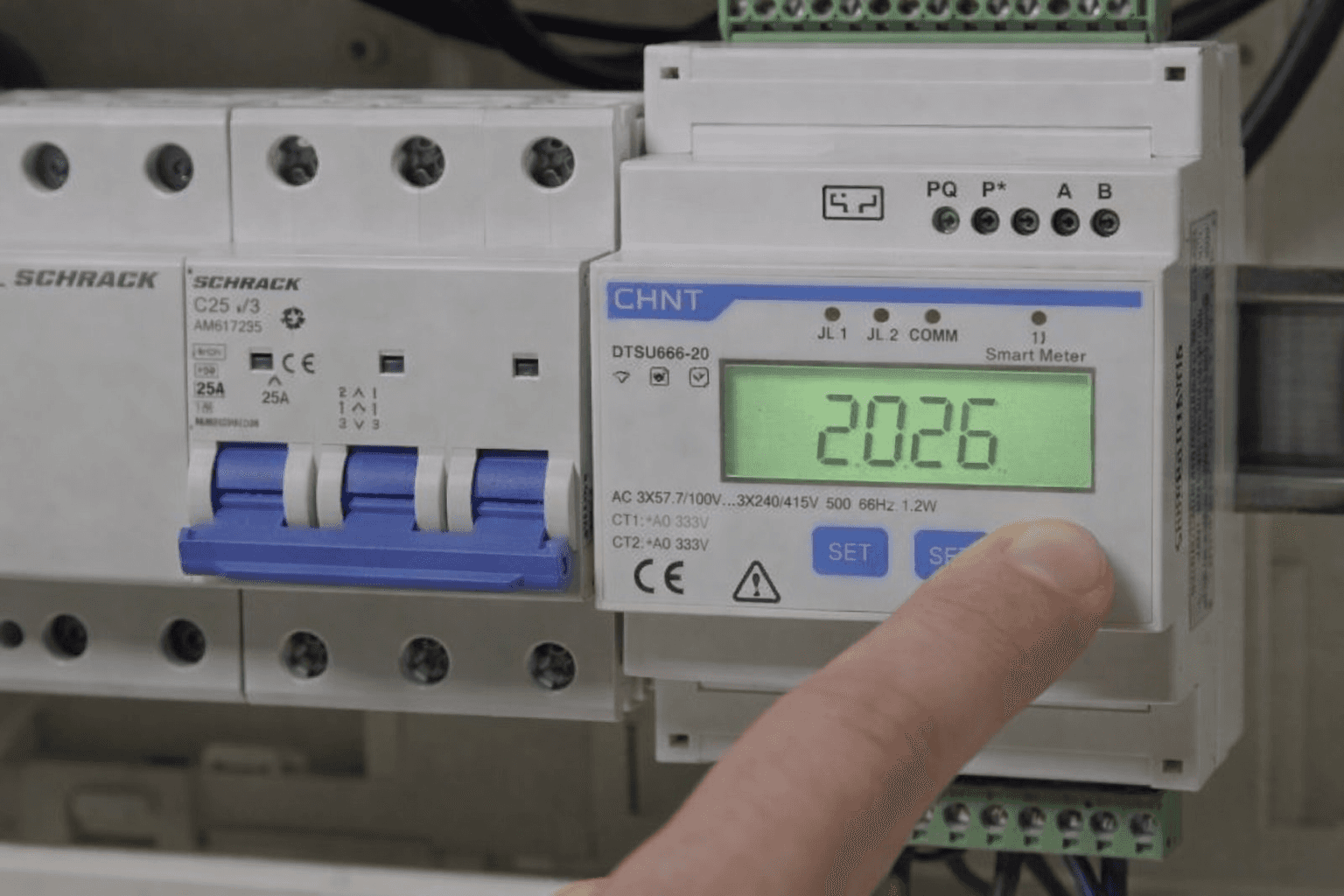
To ensure the reliability of recorded kilowatt-hours, the use of a MID-certified meter or a dedicated secondary grid connection is a strict requirement. During verification, it must be objectively established that the charging stations are properly metered and that the measurement is fully traceable. A standalone photo of a charging station or MID meter does not constitute conclusive proof. If the verifier cannot determine with certainty that these requirements are met, the booking is likely to be rejected. Voltico processes charging data of companies through a platform for ERE emission credits, ensuring that all data is stored in a way that is fully verifiable, traceable, and compliant with regulatory requirements.
4. Flexibility: be careful to commit to long-term agreements.
Some service providers may ask for long-term contracts in an attempt to lock in customers. However, we are still at the early stages of a new market. Reputations are still being established, regulations may evolve at a detailed level, and market prices are likely to fluctuate. Committing to long-term agreements at this stage may therefore be unwise. In addition, it remains to be seen whether such arrangements for home charging customers are fully aligned with consumer protection laws and will withstand regulatory scrutiny by the Dutch Authority for Consumers and Markets (ACM).
5. Timing: there is no need to rush into a decision.
You do not need to register today in order to participate in 2026. Registration and booking of charging sessions can still take place throughout the year. What is important, however, is to ensure that your charging sessions are accurately measured (for example with MID or SAP-certified meters) and that the data is stored reliably in a professional data management system.
6. Segregated account: how are your revenues protected?
As volumes grow, the revenues from ERE credits can become substantial. The key question is: how is this money managed before it is paid out to you? A professional emission credit service provider works with a segregated client account (third-party account). This ensures that the funds are legally separated from the provider’s operating capital, meaning your revenue remains protected even in the event of bankruptcy. If your earnings are deposited into a regular corporate account, you may be exposed to unnecessary financial risk.
Conclusion
Choosing an emission credit service provider for ERE emission credits involves far more than simply comparing commission percentages. It requires careful consideration of data traceability, reliability, trading capability, expertise, legal safeguards, and payout security.
By keeping these six factors in mind, you can reduce risks and build a solid foundation for successfully claiming ERE emission credits.
For a range of stakeholders, including charge point operators (CPOs), real estate owners, and fleet operators, claiming ERE credits can become a valuable new revenue stream from EV charging infrastructure.